Weapons
What Weapons Training Teaches About Distance
Sword and staff practice make range, timing, and commitment easier to see—and improve unarmed movement as well.
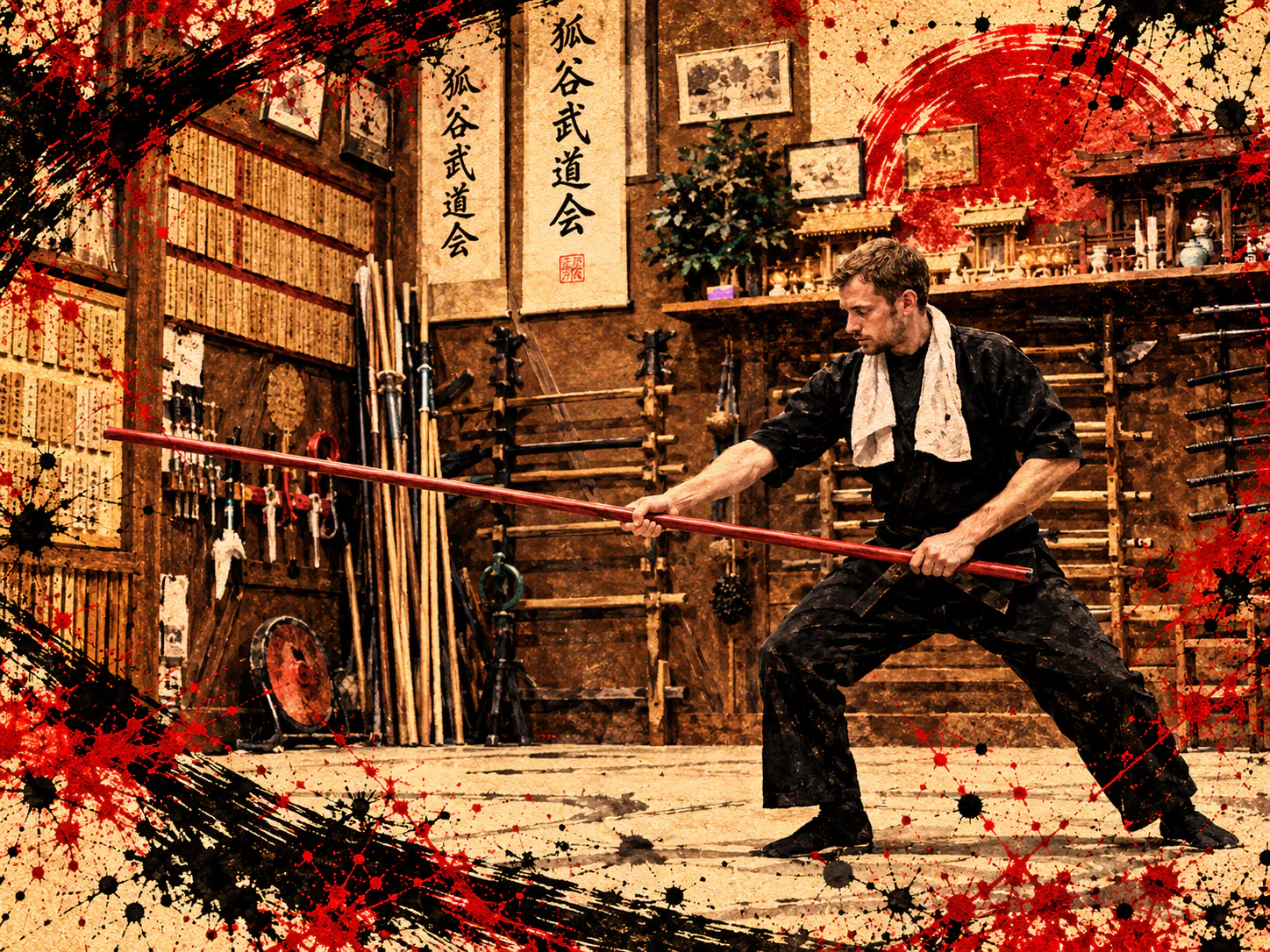
Distance can feel abstract in unarmed practice. A small mistake may be hidden by speed, flexibility, or a cooperative partner. Put a wooden sword or staff in someone’s hands, and the same mistake becomes much easier to see.
A clearer consequence
A weapon extends reach. It also makes lines of attack more definite. Standing a few inches too close, entering without controlling the line, or moving after the decisive moment now has an obvious consequence.
This clarity encourages students to move with preparation rather than hesitation.
Distance is relational
Martial distance is not a fixed measurement. It changes with posture, weapon, terrain, initiative, and each person’s ability to move. Paired weapons kata develops a felt understanding of this relationship.
The aim is not merely to remain outside reach. It is to recognize when distance is safe, when it is useful, and when it must be crossed.
Returning to unarmed practice
Lessons from weapons study return naturally to grappling and striking. Students begin to notice lines through the hands and body. Footwork becomes more purposeful. They understand that an apparently small shift can change who controls the encounter.
Weapon and unarmed traditions are not always interchangeable, and their distinct methods deserve respect. Yet studying both can make shared principles easier to recognize.