New Students
What to Expect in Your First Traditional Martial Arts Class
A calm, practical guide to visiting a traditional Japanese martial arts dojo for the first time.
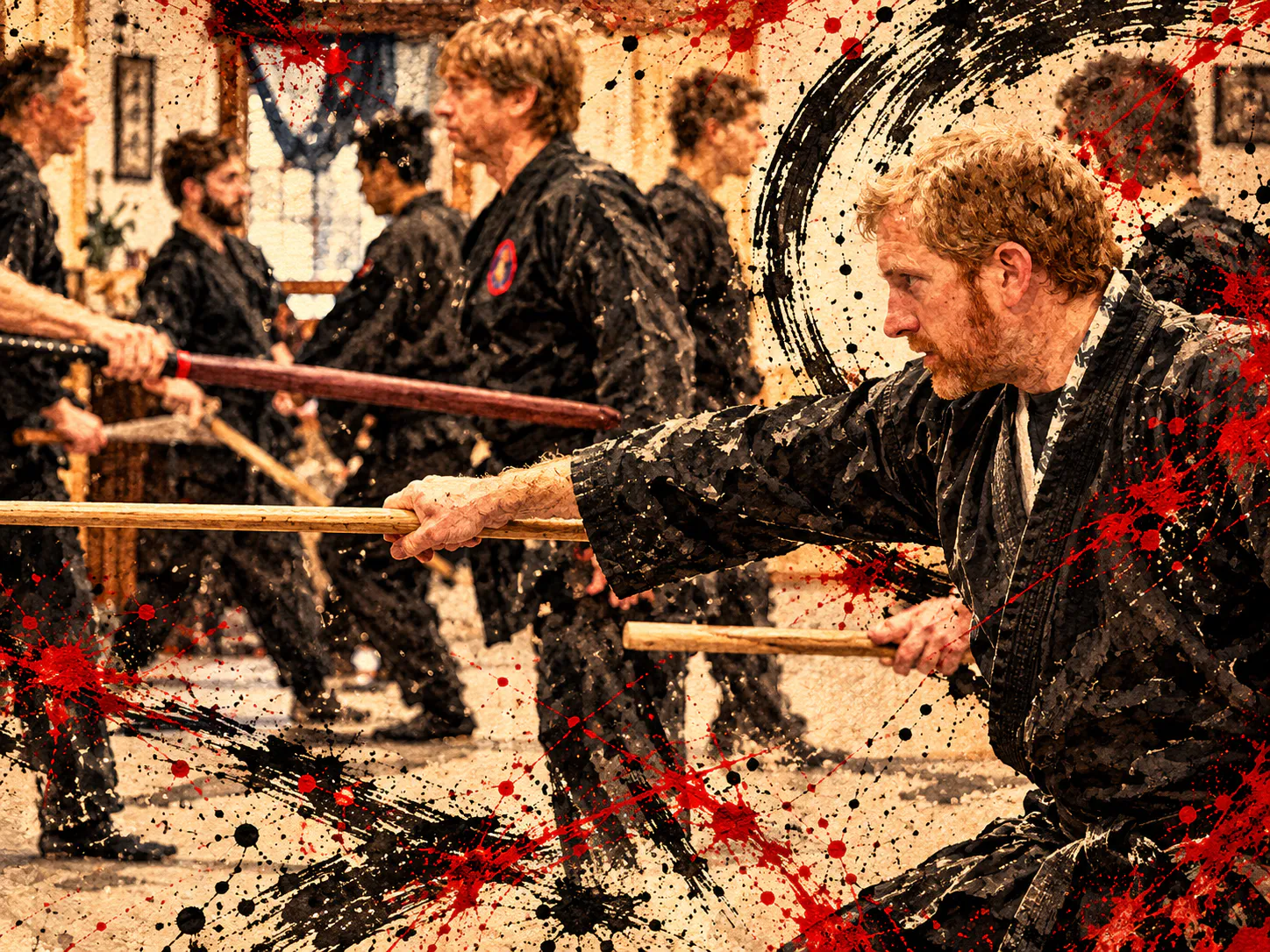
Walking into a martial arts school for the first time can feel uncertain. You may wonder whether everyone else will know what to do, whether you are fit enough, or whether you will be expected to keep up immediately.
At a thoughtful dojo, none of those things should be barriers. Your first class is an introduction—not an examination.
Before class
Contact the dojo before arriving so the instructor can recommend the right class. Mention any injuries, mobility considerations, or questions that would help us prepare for your visit.
Comfortable athletic clothing is usually enough for a trial class. Choose clothes without hard fasteners or zippers, remove jewelry, and keep fingernails and toenails trimmed.
What you will practice
The exact material varies, but a beginner will usually encounter foundational posture, footwork, safe ways to move with a partner, and one or two simple technical ideas. You may watch parts of class before trying them.
You are not expected to memorize Japanese terms or understand dojo etiquette in advance. Pay attention, follow the instructor’s guidance, and ask when something is unclear.
What a good first class feels like
You should leave with a clearer picture of the practice and the people who pursue it. The training may feel unfamiliar, but it should not feel hostile or reckless.
Look for attentive partners, controlled technique, specific instruction, and an atmosphere in which questions are welcome. Those qualities matter more than spectacle.
The next step
After class, speak with the instructor about the schedule and the most suitable way to continue. Sustainable training grows from regular attendance, curiosity, and patience—not from trying to master everything at once.