Training Principles
Why We Practice Kata
Kata are more than fixed choreography. They are structured problems that teach timing, relationship, and martial judgment.
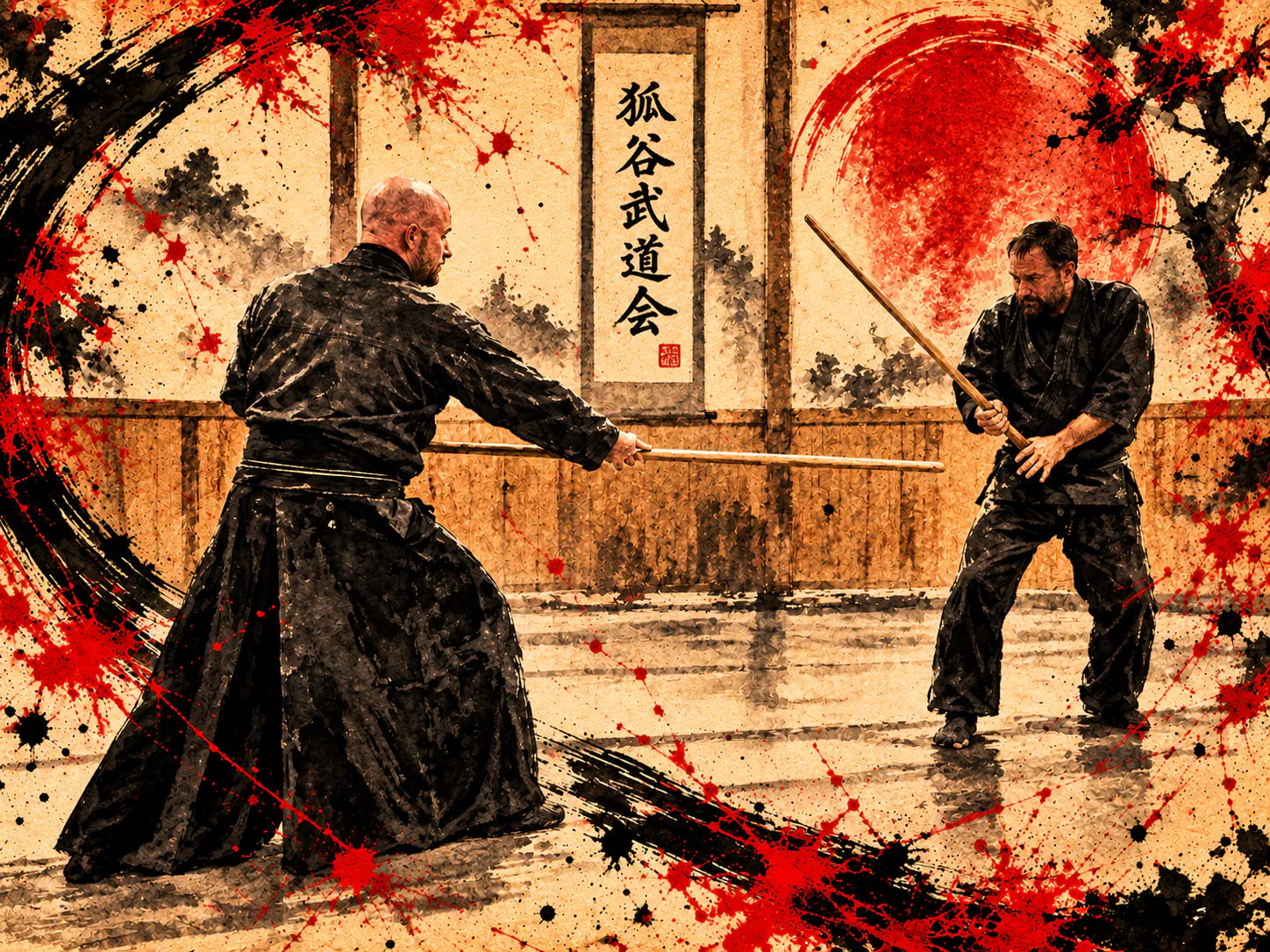
The word kata is often translated as “form.” That translation is accurate, but incomplete. A kata is not simply a sequence to reproduce. It is a structured encounter: a way to study a technical and tactical problem with enough consistency that important details become visible.
Structure makes attention possible
If every element of an exercise is unpredictable, a new student has little room to notice posture, angle, timing, or distance. Kata reduces some variables so we can examine others closely.
Both partners know the broad shape of the practice. That allows them to focus on how the movement is being made and why a particular decision belongs at that moment.
Roles, not winners
In paired kata, each person has a role and a responsibility. One side presents the problem; the other studies the response. The partner providing the attack is not there to lose theatrically. They must offer accurate distance, direction, and intent while protecting the learning process.
This makes kata cooperative, but not passive.
From form to principle
As familiarity grows, students begin to see what can vary without losing the lesson. Body types differ. Distances shift. Timing changes. A teacher may alter a condition to reveal why the original form is organized as it is.
The sequence is therefore a beginning. The deeper subject is the principle the sequence makes available for study.
Honest repetition
Repetition alone does not guarantee progress. Productive kata practice requires fresh attention: Is balance improving? Is the partner being moved or merely complying? Is the practitioner rushing past an uncertain moment?
Practiced this way, kata is neither performance nor historical reenactment. It is a durable method for asking better martial questions.