New Students
Martial Arts for College Students in Elgin, Illinois
A guide for college students in Elgin exploring beginner martial arts, Bujinkan training, class schedules, and learning beyond the classroom.
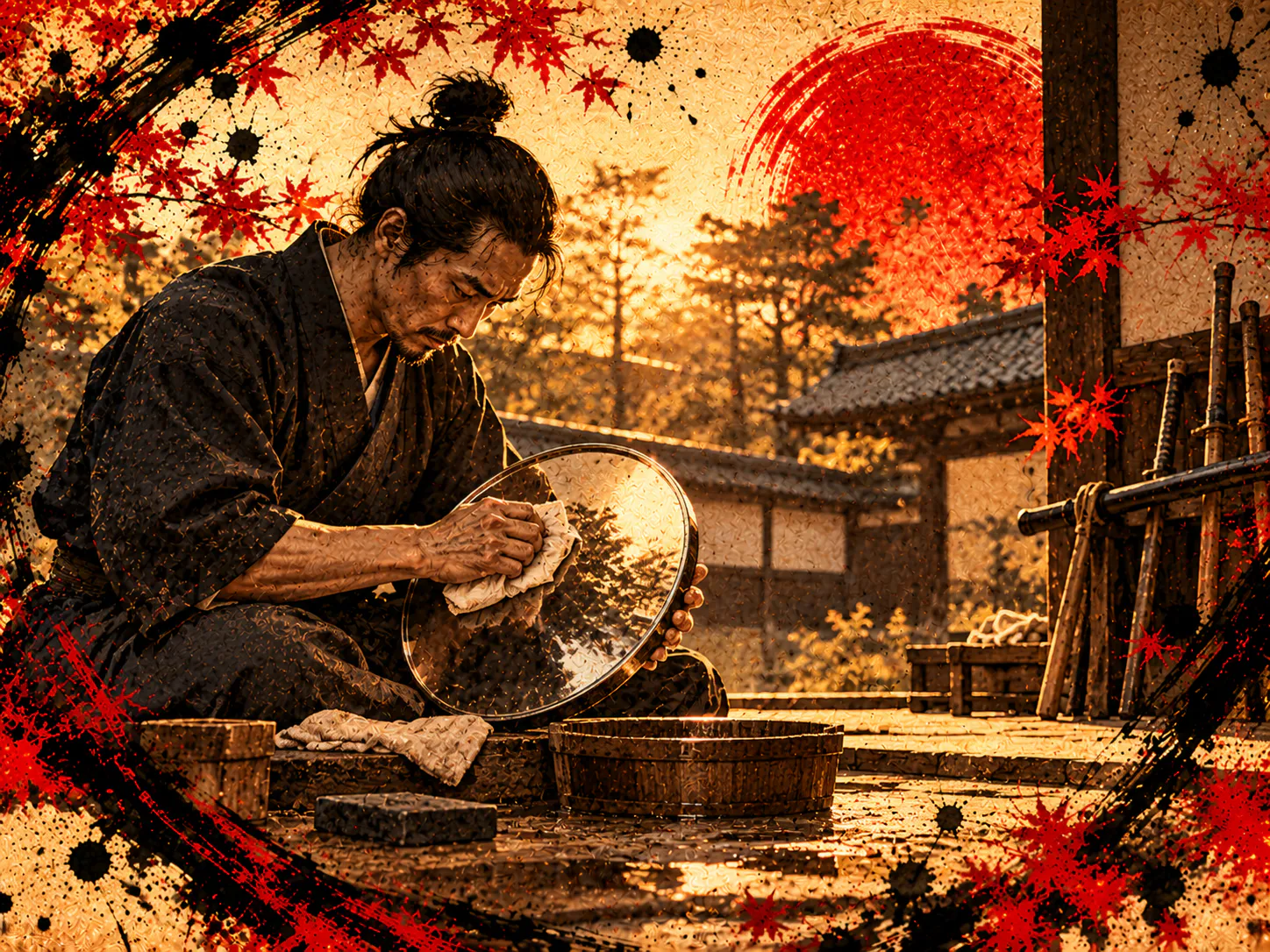
College is a time of learning, exploration, and new experiences. Between classes, assignments, work, and the demands of daily life, however, it can be difficult to find an activity that offers something genuinely different. For students attending Elgin Community College, Judson University, or other colleges in the Fox Valley, traditional Japanese martial arts provide an opportunity to step away from the classroom, develop practical physical skills, and engage in a challenging activity with other people.
Fox Valley Budō Kai is preparing for a planned early-2027 opening in South Elgin, Illinois, with training in Bujinkan Budō Taijutsu, a traditional Japanese martial art emphasizing movement, balance, coordination, timing, distance, and the principles underlying martial techniques.
Whether you have previous martial arts experience or have never stepped inside a dojo, learning a martial art can be a rewarding addition to your college years. You do not need to be an athlete, understand Japanese terminology, or have any particular physical background to begin.
Learning Something Beyond the Classroom
College education places considerable emphasis on acquiring information, analyzing ideas, and developing intellectual abilities. These are important pursuits, but not every form of knowledge can be acquired through reading, listening, or studying.
Learning a physical skill presents a different kind of challenge.
Consider learning a musical instrument. You can study music theory, watch accomplished musicians, and understand how a particular piece should be played. Yet none of these things automatically provides the physical ability to perform it.
Martial arts are similar. A student may understand the explanation of a technique but discover that performing it correctly requires considerable coordination, balance, and practice.
Japanese martial arts emphasize this distinction between understanding something intellectually and developing the ability to perform it.
Students learn through demonstration, physical practice, observation, correction, and their own accumulated experience.
This creates a form of education that complements academic learning rather than competing with it. The classroom provides opportunities to develop intellectual understanding; the dojo provides opportunities to investigate how human beings acquire and refine physical skill.
An Analog Practice in an Increasingly Digital World
College students today have access to extraordinary amounts of information. Online classes, digital textbooks, social media, streaming services, and artificial intelligence have transformed how people study, communicate, and spend their free time.
Technology offers genuine advantages, but it can also mean that much of a student's day is spent interacting with a screen.
Traditional martial arts provide an opportunity to do something different.
In the dojo, learning occurs through direct physical experience. You must pay attention to your posture, recognize your distance from a training partner, adjust your balance, and respond to movement.
You cannot simply watch a demonstration and expect to possess the skill.
Even artificial intelligence, which can explain the mechanics of a technique, cannot perform the movement for you.
You must develop the necessary coordination and understanding through your own practice.
This is one of the distinctive values of martial arts in a digital age. The activity requires participation rather than passive consumption.
Instead of spending another evening scrolling through short videos, you can spend time working toward a skill that gradually becomes your own.
Do You Need Martial Arts Experience to Begin?
No. Every experienced martial artist was once a beginner.
Many college students hesitate to begin martial arts because they believe they should already be physically fit, flexible, or familiar with fighting techniques.
In reality, much of beginning martial arts training involves learning fundamental movements that may initially feel unfamiliar.
Students gradually develop an understanding of posture, body movement, balance, distance, and coordination.
An introductory lesson may involve learning basic positions, observing demonstrations, practicing movement, and working carefully with a partner under an instructor's supervision.
You are not expected to remember everything immediately.
The objective is to begin developing a foundation that can be improved through continued practice.
If you are beginning martial arts for the first time, you may also find our guide to starting martial arts as an adult helpful.
What Is Bujinkan Budō Taijutsu?
Bujinkan Budō Taijutsu is a Japanese martial art drawing upon a collection of traditional martial lineages.
Training includes methods of unarmed movement, striking, controlling, throwing, escaping, and the study of traditional weapons within the curriculum.
Unlike martial arts organized primarily around competitive tournaments, Bujinkan training generally emphasizes traditional forms of practice and the principles underlying martial movement.
Students investigate how positioning, distance, timing, balance, and body mechanics influence the performance of techniques.
Much of the practice involves working with a training partner. Students gradually learn how to move themselves while responding to the movement of another person.
If your primary goal is competitive boxing, wrestling, or mixed martial arts, a school specializing in those activities may be more appropriate.
If you are interested in traditional Japanese martial arts, their methods of instruction, and the long-term development of skill, Bujinkan Budō Taijutsu offers a different path of study.
稽古 (Keiko): Learning Through Practice
One of the central ideas within Japanese martial arts is 稽古 (keiko), meaning practice or training.
In martial arts, improvement requires more than memorizing instructions or repeating movements without thought.
Students must gradually develop the ability to observe their mistakes, recognize unnecessary effort, and make corrections.
For example, a beginner may attempt a technique using excessive muscular strength. They may discover that the movement becomes more effective when they adjust their posture, positioning, or timing.
This experience illustrates an important lesson: more effort does not always produce better results.
Sometimes improvement requires a better understanding of the problem rather than simply trying harder.
The ability to recognize, investigate, and correct mistakes is valuable in martial arts and provides an interesting parallel to the process of learning in other disciplines.
工夫 and 自得: Discovering Skill for Yourself
Two concepts from Japanese traditions of learning are 工夫 (kufū) and 自得 (jitoku).
Kufū involves thoughtful effort, investigation, and finding ways to address difficulties.
Jitoku refers to understanding personally acquired through experience.
An instructor can demonstrate a movement and explain how it should work. However, the student must eventually develop the ability to perform it themselves.
That understanding often emerges gradually through correction, repetition, and personal discovery.
For college students, this provides a different perspective on learning.
Having an explanation readily available is not the same as acquiring the underlying skill.
The value lies not only in reaching an answer, but in developing the capability to solve a problem through one's own understanding.
Meet People Through Shared Practice
College can provide many opportunities to meet people, but building meaningful connections outside the classroom can still be difficult.
Martial arts training offers an environment in which people work together toward the development of a shared skill.
Partner practice requires cooperation, communication, patience, and mutual responsibility.
Experienced students often assist beginners by demonstrating movements and providing opportunities for careful practice.
This creates a learning environment where students of different backgrounds, ages, and experience levels can participate together.
The focus is not on appearances or social media popularity, but on the quality of practice.
Friendships and a sense of community may develop through repeated training and shared effort, although each student's experience will be different.
修行 (Shugyō): Developing a Long-Term Practice
College life is often organized around deadlines, examinations, semesters, and graduation.
Martial arts introduce a different way of considering personal progress.
In Japanese martial traditions, 修行 (shugyō) is associated with sustained, disciplined training.
The development of martial skill rarely follows a perfectly predictable schedule.
Some movements may be learned relatively quickly, while others require months or years of refinement.
The purpose is not merely to collect techniques or advance through ranks, but to develop understanding through consistent practice.
For students, this can become a rewarding activity that continues beyond graduation.
Martial arts need not be something practiced only during one's college years.
It can become a pursuit that evolves alongside other changes in life.
Looking for Something Beyond the Gym?
Traditional gyms provide valuable opportunities to develop strength, endurance, and general fitness.
Martial arts offer a different kind of physical activity in which movement is connected to the study of techniques and principles.
Rather than performing exercises solely to improve conditioning, students study coordination, posture, balance, timing, and control.
Training can be physically demanding, but the difficulty comes from more than exertion alone.
Even a relatively simple exercise may require considerable concentration and coordination.
For students who enjoy learning and want a physical activity with a continuing technical challenge, martial arts may provide an appealing alternative or complement to conventional gym training.
Can Martial Arts Fit Into a College Schedule?
Between attending classes, studying, working, and other commitments, college students may have limited free time.
One important consideration when choosing a martial arts school is whether training can fit realistically into your schedule.
You do not need to train every day to begin developing fundamental martial arts skills.
Regular attendance and thoughtful practice can help students build familiarity and gradually improve their understanding.
Before enrolling, consider class times, transportation, tuition, and how training will fit around academic responsibilities. Check our planned schedule and enrollment information for current details.
A sustainable practice is more valuable than an ambitious schedule that you cannot maintain.
Japanese Martial Arts for Students at Elgin Community College and Judson University
Fox Valley Budō Kai is based in South Elgin, Illinois, serving prospective students from Elgin, St. Charles, Bartlett, and neighboring Fox Valley communities.
Students attending Elgin Community College, Judson University, or other nearby colleges may be interested in exploring martial arts training outside their regular campus activities.
Our planned program will focus on traditional Japanese martial arts rather than tournament competition. Contact us to learn about opening plans and the training location as details are confirmed.
We welcome inquiries from college students, working adults, and other interested beginners ages 15 and older.
Because schedules and training arrangements may change, prospective students should confirm current class availability and location before attending.
What to Expect When You Begin
Your first martial arts class is an opportunity to experience the training environment and determine whether it interests you.
You do not need to understand Japanese terminology or have previous martial arts experience.
A beginner may be introduced to fundamental posture and movement, basic coordination, and supervised partner exercises, depending on the lesson.
Martial arts training involves gradual development, and new students are not expected to perform like experienced practitioners.
The important thing is to approach practice with curiosity, patience, and a willingness to learn.
Before attending, contact the dojo to confirm suitable clothing, scheduling, and any introductory requirements. Our guide to your first traditional martial arts class offers a practical introduction.
Learn Something You Cannot Download
College provides opportunities to acquire knowledge that can shape a career and influence an entire life.
Martial arts offer another kind of education: the gradual cultivation of abilities through direct experience.
You can watch a thousand videos of an experienced martial artist and still be unable to reproduce their movements.
You can read explanations of timing, balance, and distance, yet still need to develop the physical ability to recognize these qualities during practice.
There is no substitute for the experience of learning, making mistakes, receiving correction, and gradually becoming more capable.
Traditional Japanese martial arts offer an opportunity to step away from the constant flow of digital information and spend time cultivating something tangible.
You do not need to become an expert before beginning.
You only need to take the first step.